From Sleeper Trains to Cornish Car Parks: Picking Luggage That Suits the Trip, Not the Other Way Round
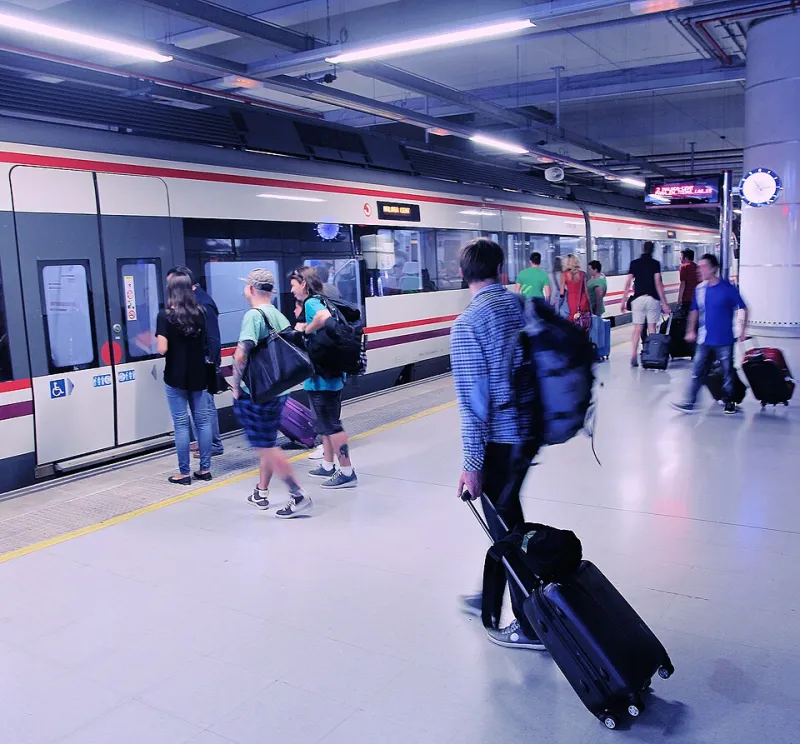
Photo: Marek Ślusarczyk (Tupungato) Photo portfolio, CC BY 3.0, via Wikimedia Commons
Here's a truth the luggage industry doesn't shout about: there's no such thing as the best suitcase. There's only the best suitcase for the trip you're actually taking. A four-wheeled hard shell is a dream gliding through Heathrow and a menace wedged in the doorway of a Peak District B&B with a spiral staircase. Let's break it down, trip by trip.
The Caledonian Sleeper (and Other Train Adventures)
Sleeper trains and long-distance rail journeys have one golden rule: your bag must fit in your space without a fight. Sleeper cabins have limited floor room, and the luggage racks on standard services are overhead — so weight matters more than capacity.
What works: a soft-sided holdall or a lightweight two-wheeler around 60–70cm. Soft cases squish into overhead racks and under-seat gaps; rigid boxes don't. If you're hopping between Edinburgh, Inverness and a rural station with a platform ramp, shoulders-friendly straps beat spinner wheels every time.
What doesn't: anything you can't comfortably lift above your head. Nobody wants to be the person wedging a 28-inch case into a rack at Euston while a queue forms.
The Family Drive to Cornwall
Road trips flip the priorities. Wheels are nearly irrelevant — your car does the rolling — and what matters is shape, squashability and how it stacks in the boot.
What works: duffel bags and soft-shell cases. They mould around the spare wheel, the beach kit and the dog. A boot with a raised lip favours soft bags you can lift over in one motion. Pro tip: pack one small bag with everything needed for the first night, because after six hours on the M5 nobody wants to excavate the boot in the rain at 9pm.
What doesn't: enormous rigid trunks. They look organised in the shop; in a Nissan Qashqai boot alongside a bodyboard, they look like a bad joke.
The Ryanair Hop to Alicante
Budget flights are a game of millimetres. Cabin size limits are enforced with sizer bins and a straight face, and 55x40x20cm is your whole world if you refuse to pay for a bag in the hold.
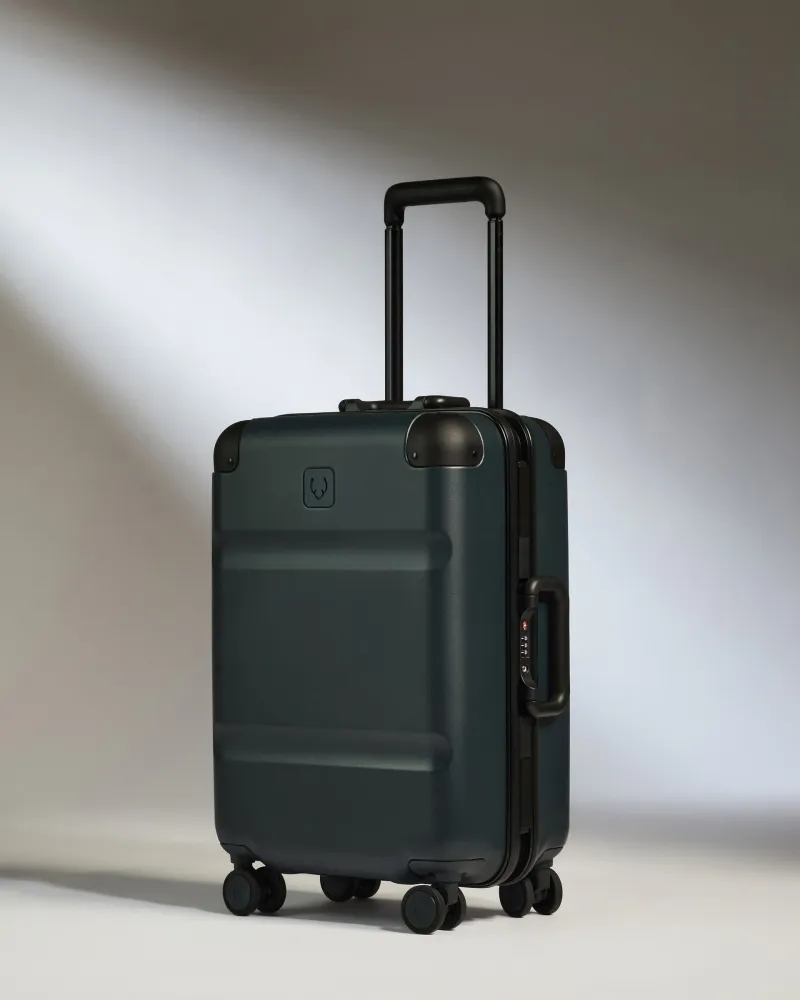
What works: a hard-shell cabin case at the smaller end of the permitted range — hard shells don't bulge when packed, and they shrug off the less gentle end of the baggage-handling spectrum. If you're checking a bag instead, a mid-size hard shell with a decent TSA lock is the sensible play.
What doesn't: soft cabin bags packed to bursting. They might fit at home; they won't fit in the sizer at gate check, and gate check is where the fees live.
The Canal Boat Holiday (Yes, Really)
Narrowboats are the ultimate luggage stress test: narrow corridors, low door frames, and storage lockets — sorry, lockers — shaped like nothing you've ever measured.
What works: soft duffels or foldable bags you can fold flat once unpacked. Everything goes in a locker eventually, so your case needs to disappear.
What doesn't: any spinner, ever. Four wheels on a boat that rocks is a slapstick routine waiting to happen, and there's genuinely nowhere to roll.
Quick Reference
| Trip | Best pick | Why |
|---|---|---|
| Sleeper train / rail | Soft holdall or 2-wheel case | Racks, stairs, platform ramps |
| Family road trip | Duffel / soft shell | Squashes into boot space |
| Budget flight | Compact hard shell | Survives sizers and handlers |
| Canal boat | Foldable duffel | Fits lockers, disappears after unpacking |
The Bottom Line
If you can only own one case, buy for the trips you take most often and accept compromise on the rest. But if you're the sort of person who does a Cornish summer, a ski weekend and an Alicante stag do in the same year, your luggage collection should be as varied as your itinerary. Match the bag to the journey — not the other way round — and every getaway starts smoothly.