Where Forgotten Suitcases Go: Inside Britain's Lost Property Offices

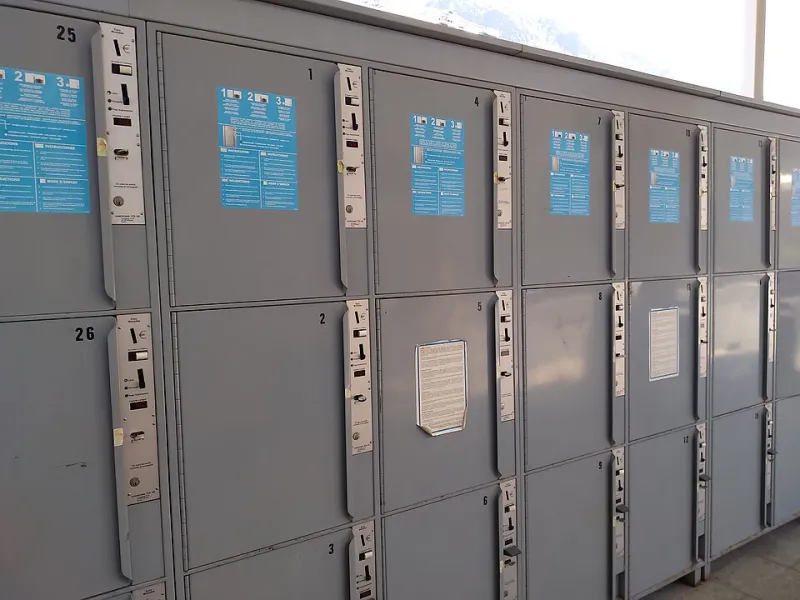
Photo: Retired electrician, CC0, via Wikimedia Commons
Somewhere in a warehouse near a Manchester railway sidings, there is a suitcase containing a full set of golf clubs, a wedding outfit and — according to the log sheet — 'one novelty hat, flamingo-shaped'. Nobody has come for it in five months.
It is not alone. Britain's trains, coaches and airports quietly accumulate an astonishing amount of abandoned luggage, and the people who look after it have seen everything from urns of ashes to live lobsters. If you've ever wondered what actually happens to the bag you left on the 18:42 to Euston, here's the honest answer.
The Scale of the Problem
Transport for London alone handles tens of thousands of lost items every year, storing them at a purpose-built facility that travellers rarely think about until they need it. National rail operators, coach companies and airports each run their own versions — some little more than a locked room behind a platform, others genuine industrial-scale operations.
The pattern is remarkably consistent everywhere: peak abandonment happens on Friday evenings, during summer holidays and, curiously, in the first week of January, when staff suspect a combination of festive fatigue and new-year distraction. Umbrellas, phones and headphones top the item charts, but it's the full-size suitcases that cause the real logistical headaches. They're heavy, they take up space, and unlike a scarf, they usually contain things somebody badly wants back.
How Long Before Your Bag Is Gone?
Here's the part most travellers don't know: unclaimed luggage doesn't wait forever, and the clock starts sooner than you'd think.
- TfL lost property: items are typically held for around three months before being assessed for disposal, donation or auction.
- Train operators: most keep items for roughly 90 days, though high-value items such as laptops and jewellery are logged and stored separately, sometimes longer.
- Airports: unclaimed bags from the baggage hall are usually handed to the airline, and after attempts at reunification fail, they may be passed to lost property, insurers or — eventually — auction.
The disposal process is less dramatic than the rumours suggest. Nothing vanishes overnight, but valuable items are often sold at auction, with proceeds frequently donated to charity. Older, worn-out cases may simply be responsibly recycled. That vintage holdall you left at Piccadilly? Its fate is likely decided within a season.
The Strangest Things Left Behind
Ask lost property staff about their most memorable items and the answers come fast. A wedding dress, folded carefully into a garment bag, waited three weeks before a very apologetic bride collected it. Someone left a set of false teeth on a Virgin train (reunited, happily, the next day). There are recurring appearances from prosthetic limbs, musical instruments, and — more than once — cremation urns, which staff treat with particular care until families come forward.
One depot worker put it best: 'People forget laptops and lose passports. But the bags they cry over are the ones with the baby photos in them.'
How to Actually Get Your Bag Back
If the worst happens, speed and detail matter. Here's what genuinely helps:
- Report immediately, even if you're not sure. Items logged within 24 hours are dramatically more likely to be reunited. Every operator has an online lost property form — use it rather than phoning a jammed helpline.
- Describe the unusual, not the obvious. 'Black suitcase' describes ten thousand bags. 'Black suitcase with a dinosaur sticker over the zip and a cracked left wheel' describes one.
- List the contents. Staff can match bags to owners by what's inside — a prescription label, a book with a receipt used as a bookmark, a child's drawing in the front pocket.
- Check the right place. On a multi-leg journey, bags can end up with the train operator, the station, or a cleaning contractor. Start with the operator whose service you were on, then widen out.
- Be patient but persistent. Follow up after a week. Items are often found in deep storage days after the initial search.
A Word to the Prepared
There's a lesson here for anyone packing for their next trip. The bags that come home are the ones that are easy to identify and hard to forget. A luggage tag with your mobile number (not your home address), a brightly coloured strap, a business card tucked into the lining — these small things turn an anonymous black case into something a lost property officer can trace in minutes.
And if you're the forgetful type? Consider travelling with less to lose. A single, well-loved cabin bag is far harder to leave on a train than a full complement of checked luggage — and far easier to describe when you do.
Somewhere in Britain right now, a flamingo hat is waiting for its owner. Don't let it be yours.