Checked, Wheeled or Carried: How Your Bags Really Fare on Ferries, Flights and Eurostar

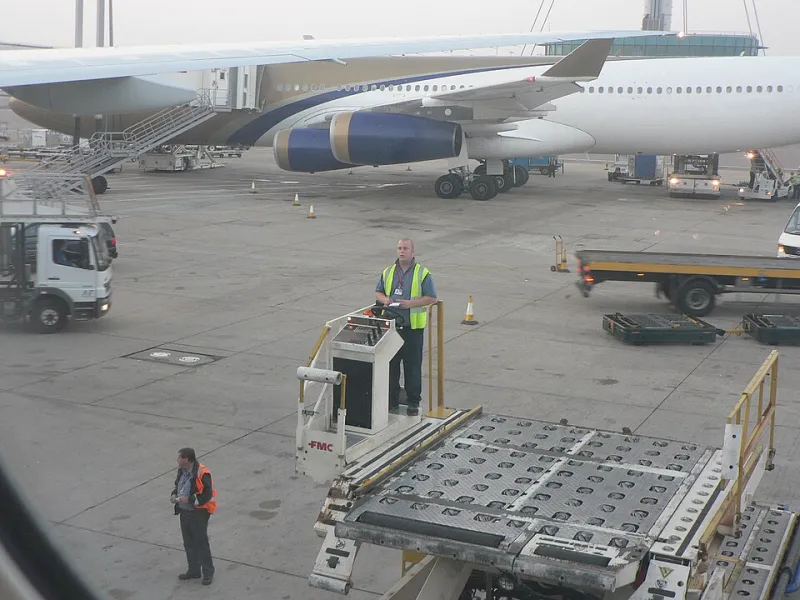
Photo: Robin Webster, CC BY-SA 2.0, via Wikimedia Commons
There's a moment of truth every UK traveller knows: you're standing at the terminal with two bags, and you have to decide which one you're willing to lose. The answer, it turns out, depends entirely on how you're leaving the country.
A flight, a ferry crossing and a Eurostar departure treat your luggage in three wildly different ways. Get it wrong and you're either paying £65 for an overweight suitcase at Gatwick or dragging a wheelie bin of a bag through the carriages of a packed train to Paris. Here's how the three routes actually compare.
The Flight: Your Bag Is Not Your Problem (Until It Is)
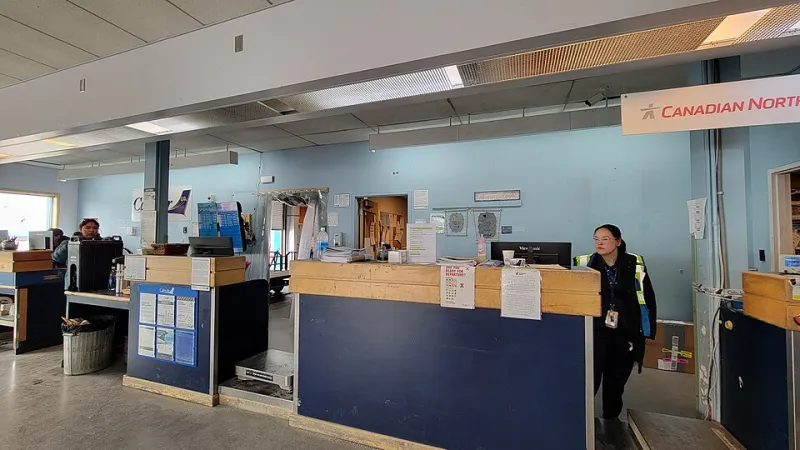
Flying is the only route where you surrender your bag entirely. Once it disappears behind the check-in desk, it belongs to the airline — and the rules belong to them too.
The cutoff matters. Most airlines close check-in 40–60 minutes before departure for short-haul flights. Miss it by two minutes and the gate agent's sympathy will be short-lived. Budget carriers are especially unforgiving; if you've got a 10kg cabin bag to drop at the gate because it won't fit the sizer, expect a fee that can cost more than the flight itself.
Excess baggage is a business model. The fare to Faro might be £29, but an extra 5kg at the desk can set you back £50+. The lesson every seasoned flyer learns: pay for your allowance online, in advance, every time.
When things go missing, you're covered — but only up to a point. Under the Montreal Convention, airlines owe roughly £1,300 for lost or damaged bags on international routes, and you must report a problem before leaving the airport. Take a photo of your bag before you fly. It sounds paranoid until you're describing a "black soft-shell case" to a handler who has ninety identical ones.
The Ferry: The Most Relaxed Luggage Experience in Europe
Nobody has ever weighed a suitcase at the Port of Dover. Ferry travel is the closest thing Britain has to luggage anarchy — in a good way.
You load your own bags, keep them with you (or in the boot), and nobody measures, weighs or judges. Bring the golf clubs, the extra case of snacks, the buggy, the cool box. The only real constraint is your car boot, and if you're going as a foot passenger, the fact you'll be hauling everything yourself up the gangway.
The catch? Foot passengers have it harder than they think. Some ferry terminals involve long walks with luggage, and a few routes have restrictions or extra charges for foot passengers with lots of bags. Check before you book — especially on the smaller Channel crossings.
And if something goes missing? On a vehicle crossing, essentially nothing can go missing, because your bags never leave your sight. It's the only route where "lost luggage" is almost a fiction.
Eurostar: The Bag You Can Actually Keep an Eye On
International rail is the sweet spot. There's no checked luggage at all — you bring what you carry, and it stays with you the whole way.
Two bags plus a handbag or laptop bag is the official allowance on Eurostar, and there's no weight limit, only practicality. If you can lift it onto the rack (or between your feet), you're fine. That's liberating if you're travelling light and a genuine problem if you've packed for a fortnight.
The real risk is space. Luggage racks fill up fast on popular departures, and the overhead racks are only good for cabin-sized cases. Big bags go in the racks at the ends of carriages — visible but not exactly under your nose. Keep valuables in your day bag, and consider a small lock if you're nervous.
There are also no check-in cutoffs in the airline sense, though security and passport control mean arriving 45–60 minutes early is wise. Miss the train and it's a new ticket, not a rebooking.
The Comparison Table
| Flight | Ferry | Eurostar | |
|---|---|---|---|
| Checked luggage? | Yes, mandatory for hold bags | No | No |
| Weight limits | Strict, enforced, expensive | None | None (lift it yourself) |
| Check-in cutoff | 40–60 mins before | Boarding time | 45–60 mins for security |
| Excess fees | Brutal | N/A | N/A |
| Risk of loss | Real (roughly 1 in 100 on some routes) | Minimal | Minimal |
| Best for | Long hauls, speed | Family holidays, flexibility | City breaks, valuables |
So Which Bag Goes Where?
The golden rule: never check what you can't afford to lose. Medication, tech, documents, the good camera and one change of clothes travel with you — always, on every route.
Fly with a hard-shell case for the hold and keep your valuables in a cabin bag. Take the ferry when you want to overpack without consequence. Take the train when your luggage is valuable, fragile, or simply too precious to hand to a stranger.
Choose the route for the journey. Choose the bag for the route. That's the whole trick.