Nan's Old Case Won't Fly, But It Still Matters: Making Peace With Sentimental Luggage
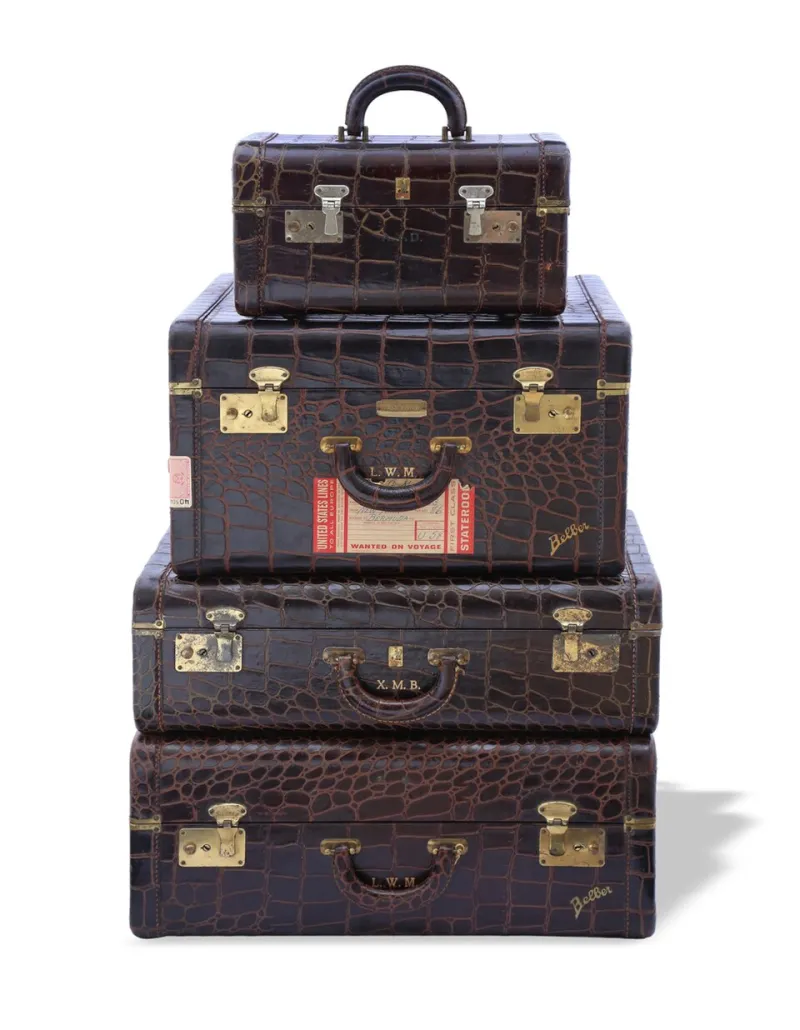
Photo: Sandrine Z, CC BY-SA 4.0, via Wikimedia Commons
There's a particular kind of British clutter that lives in attics, spare rooms and the top of the wardrobe: the old suitcase nobody uses but nobody dares throw away. A brown leather case with a broken clasp. A floral rugsey that's been to Benidorm and back three times. The cabin bag your grandad took on his honeymoon to Scarborough in 1968.
We're a nation of luggage hoarders, and honestly? We think there's a good reason for it.
The Case That Won't Leave the House
Ask around and you'll hear the same story. "It was my nan's." "It came on the ferry with us every summer." "Dad carried it through France on his motorbike." These bags aren't luggage anymore — they're family archives with handles.
There's real psychology behind it, too. Objects that were present at meaningful moments become what researchers call "memory anchors" — physical touchstones for experiences we're terrified of forgetting. A suitcase is uniquely powerful in this respect because it went places. It's not just an heirloom; it's an heirloom with a passport history. Throwing it away can feel a bit like deleting a photo album.
Add in the fact that vintage luggage is often beautifully made — solid brass zips, leather that's softened rather than cracked — and you've got an object that's emotionally and physically hard to part with. Fair enough.
When Heirloom Luggage Actually Travels
Some families don't just keep these bags — they use them. The retro rugsey strapped to a canal boat roof, the leather case doing one nostalgic trip a year. If that's you, wonderful, but a few sanity checks first:
- Check the handle and straps under real load. Old stitching fails suddenly, usually on an escalator at Euston.
- Leather isn't waterproof. A rainy platform at Manchester Piccadilly will soak through untreated leather faster than you'd think. Treat it, or use it only for car and boat trips.
- Old locks are decorative, not secure. If you're flying, don't rely on a 1970s clasp to keep anything safe.
- Weight matters. Vintage cases are often heavy before you've put a single thing in them. On a budget airline, that's a problem.
The sweet spot for heirloom bags is usually the trips where you control the conditions: the car journey to a cottage, the narrowboat week, the ferry crossing. Let the modern polycarbonate case do the budget flight to Kraków.
When It's Better Left at Home
There's no shame in deciding a bag has retired. Repair specialists who restore vintage luggage will tell you honestly: some cases are past flying. Cracked handles, delaminating linings, wheels that weren't built for today's terminals — these are display pieces, not travel gear.
The good news is that "retired" doesn't mean "worthless." Plenty of people turn inherited cases into storage at home — blanket boxes at the end of the bed, keepsake cases holding old letters and photos. In a way, that's a fitting final role: the bag that carried the family's journeys now carries the family's memories.
If you're torn, try a middle path. Take one small item from the old case on your next trip — a luggage tag, a silk scarf, a photograph tucked in your current bag. You carry the memory forward without gambling the artefact on a Ryanair hold.
Restoring Rather Than Replacing
If you want your nan's case flight-worthy again, a proper repair is often cheaper than you'd expect. New stitching on a handle, replacement corner protectors, a leather feed and clean — specialist restorers around the UK do this work, and it usually costs a fraction of a quality new case.
Before you commit, ask yourself one question: do I want to use this bag, or do I want to keep it? If the answer is keep, a light clean and a spot in the spare room is a perfectly honourable outcome. Not every heirloom needs to earn its keep at the departure gate.
The Verdict
Sentimental luggage isn't clutter — it's history you can hold. Travel with it when the trip suits the bag, restore it when it's worth saving, and repurpose it when it's not. What you shouldn't do is let it sit unopened and unloved, gathering dust and guilt.
Nan's case has done its travelling. Whether it flies again or holds the winter blankets, make sure it's still part of the family.