The £15 Case From Oxfam: What Britain's Charity Shops Taught Me About Luggage
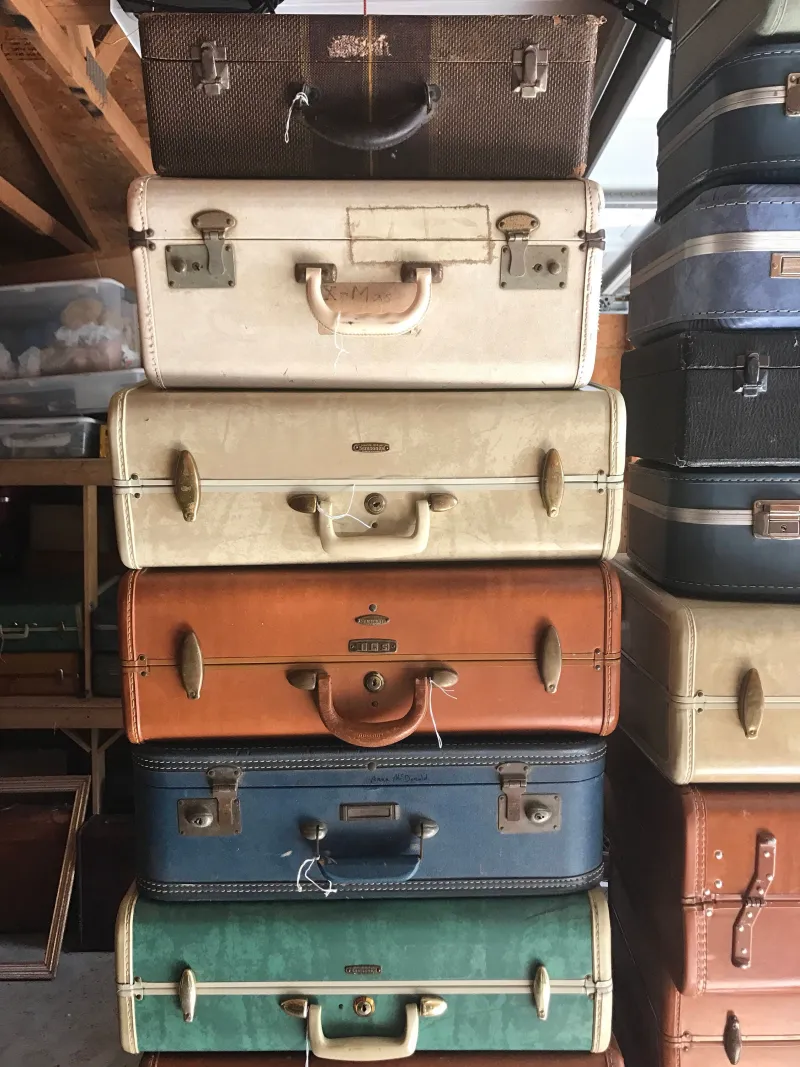
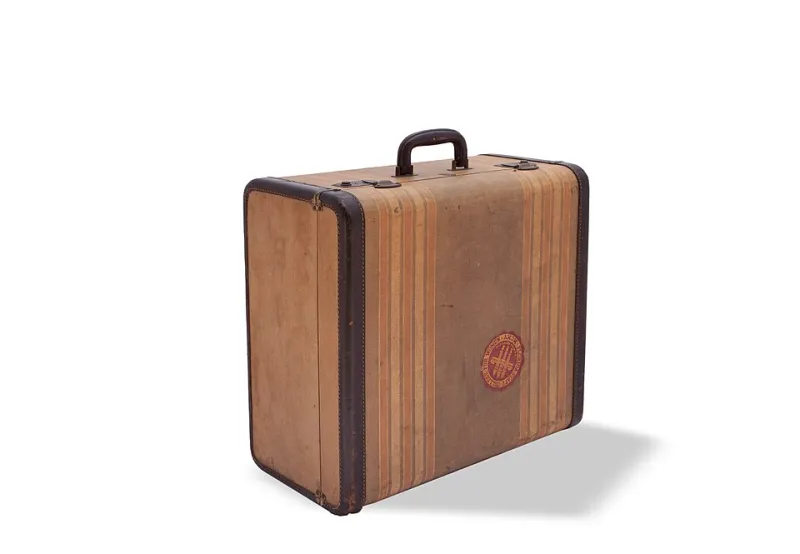
Photo: vintage suitcase charity shop shelf second hand luggage, via img0.etsystatic.com
There's a particular thrill to spotting it: a scuffed vinyl suitcase wedged between a bread maker and a set of encyclopaedias, price tag reading £12.50. In Oxfams, Age UKs and hospice shops from Bristol to Inverness, second-hand luggage has quietly become one of the best — and most overlooked — ways to kit yourself out for travel.
I've bought four cases from charity shops in the past two years. One was a dud. Three have been on more trips than most people's £200 hard shells.
The Sustainability Case (Pun Intended)
Luggage is a dirty business. A typical hard-shell suitcase is a polypropylene shell, a polyester lining, zips, wheels and a telescopic handle — a material cocktail that's rarely recyclable and almost never repaired. Every year, millions of damaged cases go to landfill because a wheel snapped or a zip gave up.
Buying second-hand doesn't just keep one more case out of the ground. It also often means buying better made. A 1970s Globe-Trotter or a vintage Samsonite was built in an era when luggage was expected to last decades, not a couple of Ryanair rotations. The rivets are metal. The corners are actual leather. The thing weighs a ton — but it survives.
The Inspection Ritual
Not every charity shop case is a gem. Some are a £15 donation to the bin. Before you commit, run through this checklist:
- The zip, always the zip. Run it the full length, twice. A zip that splits or snags is the single most common — and most fatal — fault. Replacing one costs more than the case did.
- Wheels and corners. Spin every wheel. Check the corners for cracks, especially on hard shells. A hairline crack will grow.
- The handle telescopic test. Extend and collapse it firmly. Wobbly is fine; seizing or clicking ominously is not.
- Smell. Genuinely. Musty lining rarely comes out, and mildew spreads.
- Locks. Vintage locks won't be TSA-approved, which matters if you're flying to the US. Factor in a padlock or accept an open case.
Can a £15 Find Outlast a £150 Purchase?
Honest answer: sometimes. The vintage cases I've bought have outlived a modern budget soft shell that lost a wheel within a year. But a quality new case — a well-built polycarbonate shell with a decent warranty — remains the safer bet for frequent flyers.
Where charity shop luggage genuinely shines is for occasional travellers, festival-goers, students heading to uni with a car full of stuff, and anyone who wants a case with character. That battered leather-trimmed trunk says more at a hotel check-in than any matte-black polycarbonate ever will.
Check your local shops regularly — stock turns over fast — and look at Vinted and eBay for specific sizes once you know what your boot and your airline allow. The planet, and your wallet, will thank you.