Vinted, eBay and the Menders: Inside Britain's Booming Second-Hand Suitcase Scene
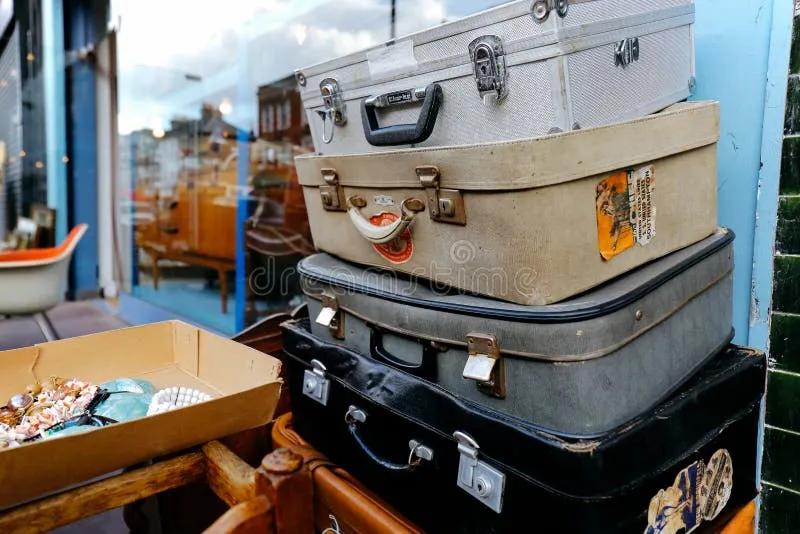
Photo: vintage second-hand suitcases stacked market stall, via thumbs.dreamstime.com
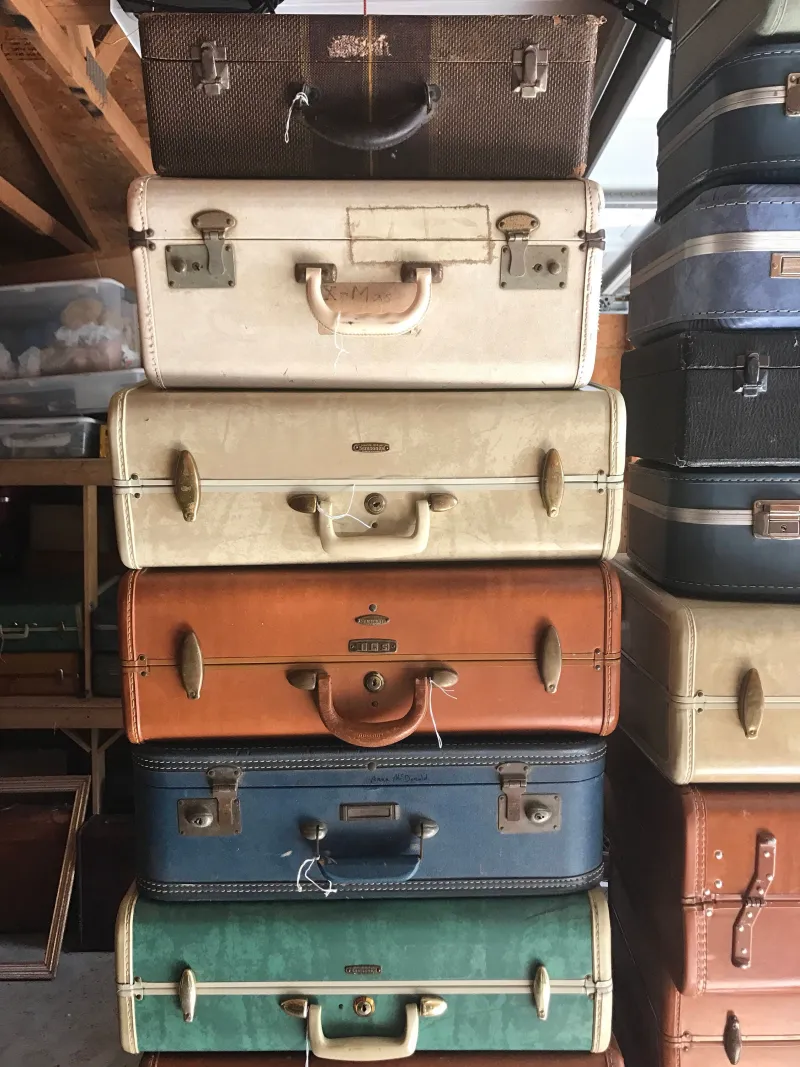
There was a time when buying a second-hand suitcase felt like admitting defeat. You'd trawl a musty car boot sale in Dringhouses, hand over a tenner for something with a wonky zip, and hope for the best. Fast forward to 2025 and the pre-loved luggage market has gone properly mainstream — and honestly, some of the deals are very good indeed.
Why Everyone's Suddenly Buying Used
The numbers tell the story. Listings for suitcases on Vinted have surged in the past couple of years, driven by a familiar combination of cost-of-living pressure and a growing squeamishness about fast fashion's travel cousin: fast luggage. A brand-new hardshell case from a big-name brand can easily set you back £150 or more. On Vinted or eBay, the same case — used on perhaps two holidays — routinely goes for £30 to £50.
Then there's the environmental angle. Suitcases are awkward things to recycle; most councils won't take them in kerbside collections, and soft-shell cases are a nightmare of mixed materials. Every case bought second-hand is one less heading for landfill, and buyers increasingly know it.
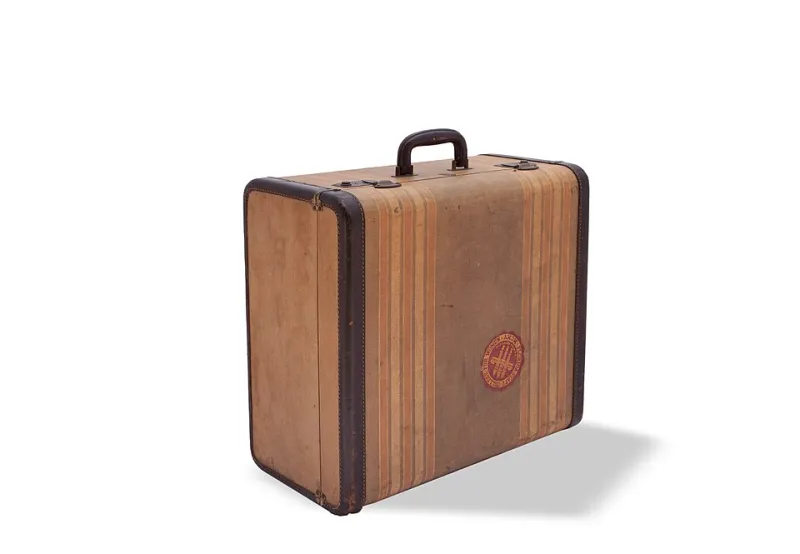
There's also a quieter, more charming reason: older luggage was often simply built better. Ask anyone who's inherited a battered leather holdall from a parent or grandparent. Some of that mid-century engineering outperforms anything at the budget end of a modern high street shelf.
Where the Bargains Actually Are
Vinted has become the surprise winner for cabin bags. Sellers are often decluttering after a house move, prices are low, and you can message to ask questions before committing. eBay remains the best bet for premium brands — think Briggs & Riley, Rimowa or Tumi — where the discounts on lightly used stock are dramatic. Facebook Marketplace is hit and miss but brilliant for bulky large cases you'd hate to post; collection-only listings in cities like Manchester, Glasgow and Birmingham are plentiful.
Don't overlook the charity shop angle either, though stock is unpredictable. Oxfam and British Heart Foundation shops in leafy suburbs occasionally receive genuinely good donations — someone's downsized house clearance is your gain. Expect to pay £10 to £40 depending on the shop's confidence in its own pricing.
What to Check Before You Buy
Buying used luggage isn't risk-free, so run through this list before parting with your cash:
- The zip — the number one failure point. Ask the seller to show a video of it zipping and unzipping fully. A split zip on a soft case is usually terminal.
- Wheels and handles — spin each wheel, extend the telescopic handle fully and check it locks. Replacement wheels exist for quality cases but rarely make economic sense on cheap ones.
- Telescopic handle wobble — a little play is normal; a handle that slides down under its own weight is not.
- Smells — sounds daft, but cases absorb odours. Musty second-hand luggage can be nearly impossible to freshen up.
- Locks — ask whether the seller still knows the combination, or plan to reset it yourself (most TSA locks allow this).
- Shell cracks — on hard cases, check corners and around the zip channel, where stress fractures start.
The Menders Keeping Cases Alive
One of the loveliest developments in this story is the resurgence of luggage repair. Specialist repairers — from long-established leather and bag hospitals in London to independent cobblers now adding suitcase wheels to their services — report steady demand as people choose to fix rather than replace.
A new zip on a decent soft case typically costs £25 to £45 fitted. Wheel replacements on a quality hardshell run £15 to £30 a corner. Set against the £100-plus cost of a like-for-like replacement, the maths often favours the repair — particularly for premium brands where replacement parts are still available.
This repair culture feeds the second-hand market too. Refurbished listings — cleaned, zips serviced, wheels replaced — command a premium over 'as found' stock, and they're usually worth it. A refurbished case at £60 that's had £30 of work done can be a better buy than a £45 gamble.
When Second-Hand Doesn't Make Sense
A note of caution from us at BaggageHub: there are limits. If you fly frequently, a used case with unknown mileage may fail at the worst possible moment — and nobody wants their bag splitting open on the carousel at Gatwick. Cabin size rules are strict and unforgiving, so if you're buying a used cabin case, measure it yourself rather than trusting the listing. And for anything with a battery, like smart luggage, check current airline rules before buying; second-hand smart bags often come with outdated or non-removable batteries.
The Verdict
For occasional travellers, students heading off on a gap year, or anyone after a premium case at a fraction of the price, the second-hand market is genuinely excellent — provided you inspect before you buy and budget for the odd repair. For very frequent flyers, a new case with a solid warranty still earns its keep.
Either way, the boom in pre-loved luggage feels like a shift that's here to stay. Britain has always been good at making do and mending. Now our suitcases are getting the same treatment.