When Your Bag Isn't a Suitcase: Getting Bikes, Boards and Golf Clubs Around Britain

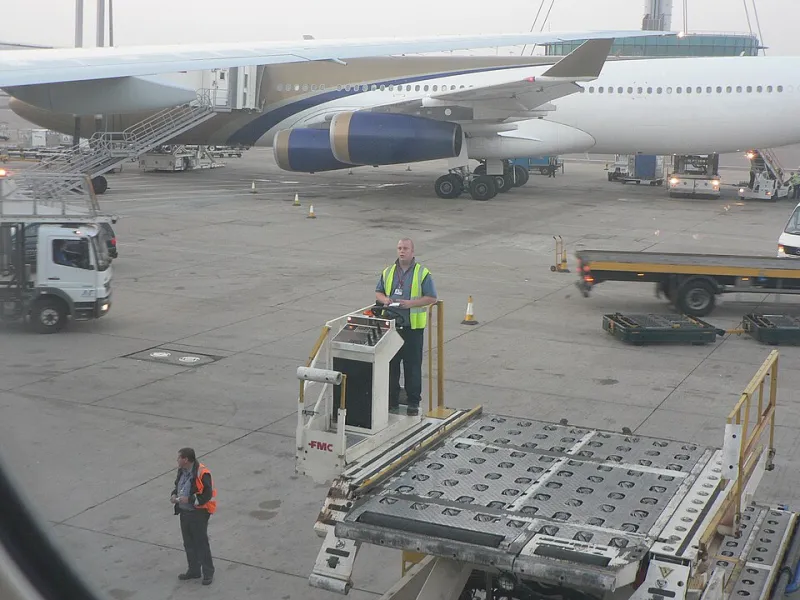
Photo: Tranceliner, CC BY-SA 4.0, via Wikimedia Commons
Most luggage advice assumes you're carrying clothes. A few kilos of soft, squishable fabric that can be squeezed, redistributed and crammed into whatever shape the sizer demands. But if your trip revolves around gear — a mountain bike in the Peaks, golf clubs in Scotland, a surfboard in Cornwall — that advice falls apart on contact.
Sports luggage plays by entirely different rules, and the sooner you learn them, the fewer nasty surprises you'll have at a station barrier or an airline desk.
Trains: The Bike Space Is Not a Guarantee
Let's start with the most common British mistake: turning up at Euston or Paddington with a bike and assuming there'll be room. On most UK operators, bikes travel free but must be reserved in advance on long-distance services — LNER, Avanti West Coast, GWR and CrossCountry all have quotas, sometimes as low as two or three bikes per train.
Reservations are usually free but can open weeks ahead and vanish quickly on summer Saturdays. Miss the quota and you're either waiting hours or watching your carefully planned cycling weekend collapse at the barrier.
A few practical points:
- Folding bikes are the loophole. Fully folded and covered, most operators treat them as regular luggage, no reservation needed.
- Some operators ban bikes entirely during peak hours on commuter routes — check before you plan an arrival into a city centre at 8am.
- E-bikes with removable batteries are generally fine on trains, but the rules around lithium batteries on other transport are stricter. Always check the operator, not the forum post from 2019.
Flying: Your Golf Bag Is a Special Case, Literally
Airlines love to categorise sports equipment separately, and the charges vary wildly. Golf clubs are the most tolerated — most UK carriers accept a standard golf bag as a single piece of checked luggage, though some (looking at you, budget operators) charge an oversized item fee regardless.
Ski equipment often gets a generous allowance — a ski bag and boot bag frequently count as one item. But bikes almost always incur an oversized sports equipment fee, typically £30–£75 each way, and some airlines require you to register the item in advance.
The golden rules:
- Book the sports item when you book the flight. Adding it at the airport can double the cost.
- Check weight limits separately. A bike box can easily exceed 23kg; some airlines cap sports items at 32kg with no exceptions.
- Photograph everything at check-in. Damage claims for bikes and boards are notoriously contested.
And a hard-earned tip: deflate your tyres slightly and let the air out of suspension forks before flying. Pressure changes plus tight security inspections make for sad surprises.
The Hire-First Debate
Here's the uncomfortable maths. A bike box flight fee both ways, plus a taxi big enough to carry it, plus the hassle, can total £150–£200. A decent hire bike in the Cairngorms or the Brecon Beacons might cost £35–£50 a day — but for a two-day trip, bringing your own still wins. For a week, hiring often makes more sense, especially since you can test-ride before committing.
Skis are an even stronger case for hiring. Airline sports fees, plus the sheer awkwardness of hauling a ski bag through Manchester at 5am, versus hire shops at every resort that will have your skis waxed and waiting. Unless you're racing or you own something genuinely bespoke, hiring usually wins.
Golf sits in the middle. Clubs are personal — lie angles, grip sizes, superstitions. Most golfers we know would sooner leave a suitcase behind than their driver, and airline policies on golf bags are lenient enough that bringing them is rarely punitive.
Protecting Gear That Actually Matters
A suitcase with a broken zip is an annoyance. A bike with a bent derailleur hanger is a ruined holiday. So protection matters more here than anywhere else in travel.
- Bike boxes (hard or padded soft cases) beat cardboard boxes from your local bike shop for anything other than a one-off trip.
- Golf travel covers with wheels save your back in airport concourses — get one with padding, not the flimsy nylon kind.
- Board bags should be padded at the nose and tail, and if you're flying, remove fins and wrap them separately.
Insurance is the other half of the equation. Most standard travel policies cap single-item cover well below the value of a decent bike. If your gear is worth more than your suitcase, it needs its own policy or a specified-items add-on.
Plan the Trip Around the Bag, Not the Other Way Round
The real shift with sports luggage is mental. Ordinary travellers decide where to go, then figure out what to pack. Sports travellers need to invert that: check the train's bike quota, the airline's oversized policy and the hire options before booking anything.
It sounds backwards, but it's the difference between a smooth departure and a £90 excess baggage bill at 6am. Your gear got you into this hobby — make sure it doesn't keep you out of the trip.